For years, bathroom design trends were dictated by colors, tile shapes, and metal finishes. But as we move into 2026, a profound shift is underway. The most significant trend isn’t a single aesthetic; it’s a new philosophy. The bathroom is being fundamentally reimagined from a purely functional room into a personalized wellness sanctuary.
So, what are the top bathroom design trends? They are the movements that prioritize your health, well-being, and personal comfort while respecting our planet. The future of bathroom design is built on three core pillars: human-centric smart technology, sustainable luxury, and the creation of a deeply restorative atmosphere. It’s about designing spaces that actively contribute to a healthier, more balanced life.
As manufacturers at the forefront of faucet and fixture innovation, we’re not just observing these trends; we’re helping to shape them. This definitive guide will take you beyond the surface to explore the ideas and technologies that are defining the next generation of bathroom design.
Last Updated: Nov 2025 | Estimated Reading Time: 27 minutes
Trend 1: The Rise of the At-Home Wellness Sanctuary
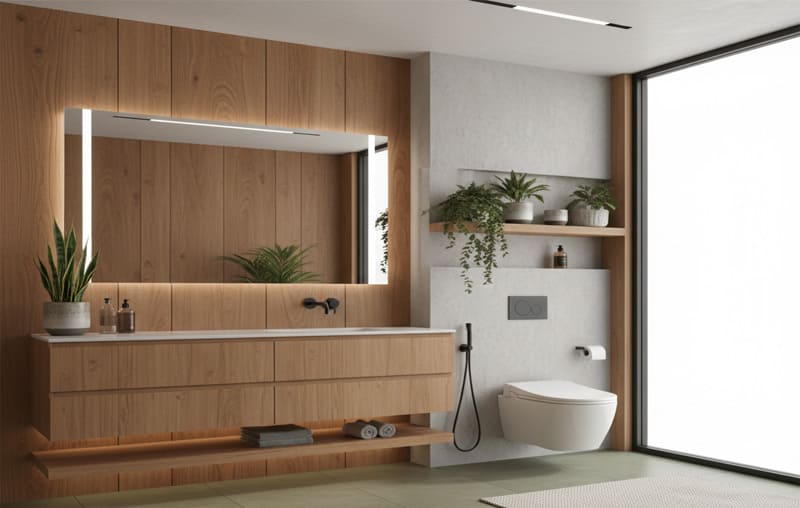
The primary driving force behind all modern bathroom trends is the desire for a personal escape. The bathroom is no longer just a place to get ready; it’s a place to unwind, de-stress, and recharge. This “wellness sanctuary” philosophy is influencing every design choice, from the layout to the lighting.
This concept, which you rightly identify as a focus on “health and wellness”, is about creating an environment that calms the mind and restores the body. It’s about crafting experiences that go beyond simple utility.
The Spa-Inspired Shower: Your Daily “Water Massage”
The shower is evolving from a quick cleansing routine into a therapeutic ritual. The goal is to replicate the experience of a high-end spa, using water to wash away the day’s stress and fatigue.

- Multi-Function Shower Systems: These systems feature multiple outlets, including oversized rain showerheads, powerful body jets, and versatile hand showers, allowing you to completely customize your experience.
- Thermostatic Valves: These are becoming standard. They maintain a precise water temperature, preventing sudden bursts of hot or cold water and adding a layer of safety and comfort.
- Focus on Sensation: The design of showerheads is now focused on the feel of the water. Innovative spray patterns are engineered to feel like a gentle mist, a powerful massage, or a drenching tropical downpour, providing that “water massage” sensation that is both invigorating and deeply relaxing.
This idea of a restorative water experience extends beyond the traditional bathroom. Products like our SpringFaucet Minimalist Outdoor Shower Faucet embrace this trend, connecting the therapeutic power of water with the calming influence of nature to create the ultimate wellness moment.
Biophilic Design: Reconnecting with Nature
Biophilic design is the practice of connecting people and nature within our built environments. In the bathroom, this trend is exploding in popularity as a way to reduce stress and create a calming atmosphere.
- Natural Materials: Expect to see more natural wood (especially teak and white oak), slate, travertine, and marble used for vanities, flooring, and feature walls.
- Bringing the Outdoors In: Incorporating houseplants that thrive in humidity (like ferns, orchids, and snake plants) is an easy and effective way to add life and purify the air.
- Natural Light: Designs that maximize natural light through large windows, skylights, or light tubes are a key priority.
Design Tip: If a large window isn’t an option, use a large mirror to reflect existing light and create the illusion of a brighter, more open space. Pairing it with layered lighting (ambient, task, and accent) can mimic the feel of natural light.
Trend 2: Human-Centric Smart Technology
The “smart home” has officially arrived in the bathroom, but this trend is not about technology for technology’s sake. Every innovation is guided by a simple principle: to enhance the user’s health, hygiene, and comfort. The design is led by the “human” , as you astutely observed.
The Intelligent Toilet: The Ultimate Personal Care Hub
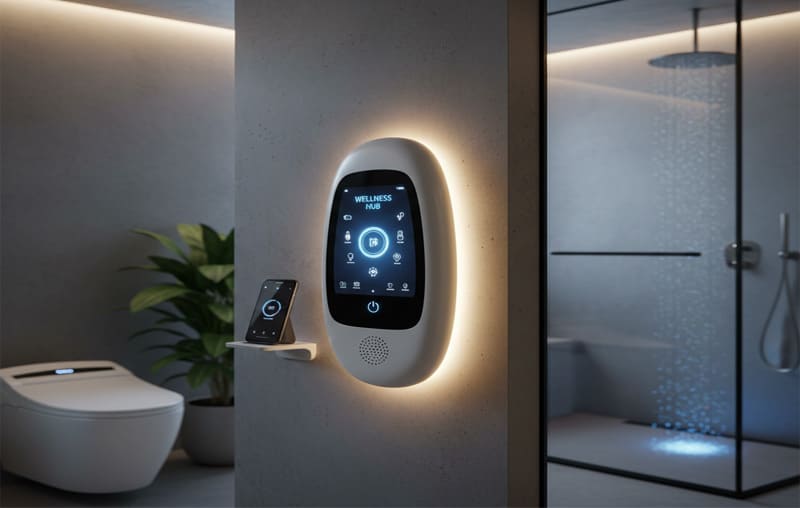
The intelligent toilet is the undisputed star of the smart bathroom. It transforms the most basic fixture into a sophisticated personal hygiene device, and its adoption is rapidly moving from a niche luxury to a mainstream expectation.
| Smart Toilet Feature | The Human-Centric Benefit for You |
|---|---|
| Integrated Bidet Function | Provides superior personal hygiene, reduces toilet paper waste, and offers a gentle, refreshing experience. |
| Heated Seat | Delivers immediate comfort, especially on cold mornings, turning a mundane moment into a pleasant one. |
| Warm Air Dryer | Completes the hands-free hygiene process, enhancing comfort and further reducing paper consumption. |
| UV Sterilization | An automated UV light sanitizes the wand and sometimes the bowl, ensuring the highest level of cleanliness and giving you peace of mind. |
| Automatic Lid & Flushing | A completely touch-free experience minimizes the spread of germs, making the bathroom a healthier space. |
| Ambient/Night Lighting | A soft, gentle glow provides safe navigation at night without the jarring effect of turning on the main lights, preserving a calm atmosphere. |
These features are a perfect example of how thoughtful technology can create a product that stands the test of time because it genuinely improves daily life.
Beyond the Toilet: A Connected Ecosystem
- Smart Mirrors: These are becoming common, featuring integrated LED lighting with adjustable color temperature (to mimic daylight for makeup application), anti-fog technology, and even Bluetooth speakers or displays for weather and news.
- Digital Showers: Allow you to set your ideal temperature and flow preferences with a digital controller. Some systems allow you to create presets for different users or even control the shower with a voice command.
Trend 3: Conscious Luxury & The Rise of Sustainability
The definition of luxury is changing. It’s no longer just about opulent materials; it’s about making thoughtful, responsible choices. Sustainability has become a core pillar of modern bathroom design, driven by a collective desire to protect our planet’s resources, especially water.
Water Conservation as a Design Imperative
Saving water is no longer an afterthought; it’s a primary design goal. The challenge for manufacturers is to create products that are highly efficient without compromising the user experience.
- High-Efficiency Faucets: Modern aerators can reduce a faucet’s water flow by 30% or more without a noticeable difference in pressure. Look for certifications like WaterSense in the USA or WELS in Australia.
- Low-Flow Toilets & Showerheads: Engineering has advanced to the point where “low-flow” no longer means “low-performance.” Smart design creates powerful flushes and satisfying showers while using a fraction of the water of older models.
- Leak Detection: Smart water monitors can be integrated into your plumbing to detect leaks early, preventing water waste and catastrophic damage.
The Beauty of Durability and Timeless Design
Another facet of sustainability is moving away from a “fast fashion” mentality. This means choosing high-quality, durable materials and timeless designs that won’t need to be replaced in a few years.
- Focus on Quality: Investing in a well-made faucet with a high-quality ceramic cartridge and durable finish means less waste in landfills.
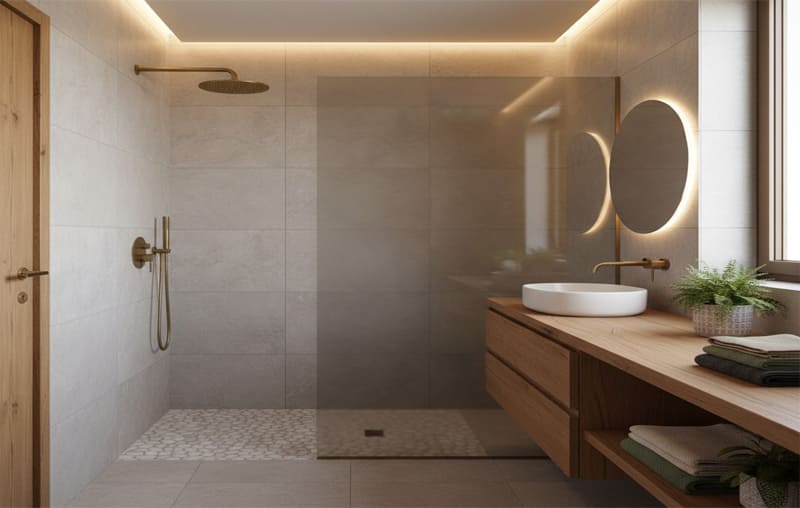
- Timeless Aesthetics: The trend is shifting towards “personalized but not ostentatious” designs. This means clean lines, natural materials, and neutral color palettes that create a calming backdrop you can personalize with textiles and decor.
| Sustainable Choice | Environmental Benefit | Long-Term Benefit for You |
|---|---|---|
| High-Efficiency Faucet | Reduces household water consumption significantly. | Lower water bills and the satisfaction of making a responsible choice. |
| Durable Materials (e.g., SUS304 Steel) | Reduces the need for replacement, minimizing manufacturing energy and landfill waste. | A product that lasts for decades, providing better long-term value. |
| Recycled Content (e.g., tiles) | Diverts waste from landfills and reduces the need for virgin materials. | Adds unique character and a compelling story to your design. |
B2B Strategic Forecast: What These Trends Mean for the Industry
For our B2B partners—distributors, developers, and designers—understanding the why behind these trends is crucial for staying ahead of the curve.
- Wellness is the New Standard: Projects that feature “wellness” elements like spa-showers, smart toilets, and biophilic design will command a premium and attract modern buyers. It’s a powerful differentiator in a crowded market.
- Technology Must Have a Purpose: Don’t stock tech for tech’s sake. Focus on smart products that offer tangible benefits in hygiene, comfort, or convenience. The intelligent toilet is the blueprint for this movement.
- Sustainability is a Selling Point: Highlight the water-saving features and durable construction of your products. Today’s consumer is educated and actively seeks out eco-friendly options. Certifications like WaterSense are no longer a bonus; they are an expectation.
- Personalization Requires a Broader Portfolio: The era of “one-finish-fits-all” is over. Offering a curated selection of finishes, from classic chrome to matte black and brushed gold, is essential to meet the demand for personalized spaces.
As a manufacturer, we at SpringFaucet are committed to this future. Our focus on durable materials, water-efficient design, and timeless aesthetics is a direct response to these evolving consumer values.
Frequently Asked Questions (FAQ)
Q1: How can I make my small bathroom feel like a wellness sanctuary? Focus on decluttering, maximizing natural light with a large mirror, adding one or two plants, and upgrading your showerhead to a model with multiple spray functions. Use a calming, neutral color palette to make the space feel larger.
Q2: Are smart toilets difficult to install and maintain? Most modern smart toilets are designed for straightforward installation, though they do require a GFCI electrical outlet nearby. Maintenance is often easier than a standard toilet, as many have self-cleaning features and designs that are easier to wipe down.
Q3: Is “fast-fashion” for bathrooms a real problem? Yes. Choosing trendy, low-quality fixtures that need to be replaced every few years contributes to significant landfill waste. Opting for classic designs made from high-quality, durable materials is a more sustainable and ultimately more stylish approach.
Conclusion: Designing the Future, One Bathroom at a Time
The leading bathroom design trends for 2026 are not fleeting fads. They are reflections of a larger cultural shift towards a more mindful, healthy, and sustainable way of living. The bathroom is being elevated to its rightful place as a vital sanctuary for personal well-being.
By embracing human-centric technology, prioritizing sustainability, and focusing on creating a deeply restorative atmosphere, you can design a bathroom that is not only beautiful and on-trend but also a space that genuinely enhances your quality of life. It’s about creating a personal retreat that brings you comfort, health, and a moment of peace, every single day.
Recommended Links
Internal Links:
- Why a High-Quality Ceramic Cartridge is Non-Negotiable (The Core of Durability)
- Decoding Faucet Certifications: Your Guide to Safety & Sustainability
- How to Import Sanitary Ware Materials From China?
External Links (Authoritative Sources):
- The Impact of Biophilic Design in Interior Spaces (National Library of Medicine) – A scientific look at how connecting with nature indoors reduces stress.
- EPA WaterSense Program – The official U.S. Environmental Protection Agency resource for water-saving products and practices.
- Global Wellness Institute – Wellness Real Estate – Authoritative research on the growing trend of designing homes that prioritize health.