
When you’re shopping for a faucet, you’ll see a staggering price range—from a few dollars to several hundred. Beyond brand recognition and exterior design, what truly justifies this difference? The answer lies deep inside the faucet’s body, in a component you’ll likely never see but will use every single day: the ceramic disc cartridge.
This small, precision-engineered device is the heart and engine of your faucet. It’s responsible for controlling the flow and temperature of the water with smooth, effortless precision. A high-quality ceramic cartridge is the single most important factor determining whether your faucet will provide decades of drip-free, reliable service or become a frustrating source of leaks and stiffness within a year or two.
As manufacturers, we know that the choice of cartridge is non-negotiable. It’s the bedrock of a faucet’s performance and longevity. In this definitive guide, we will pull back the curtain and show you exactly why investing in a faucet with a premium ceramic cartridge is one of the smartest decisions you can make for your property.
Last Updated: Nov 2025 | Estimated Reading Time: 25 minutes
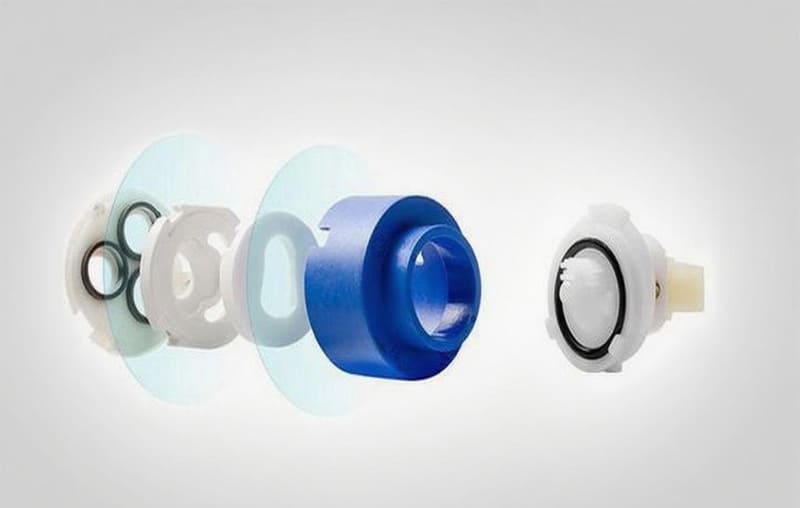
What Exactly Is a Ceramic Disc Cartridge?
Before we dive into quality, let’s understand the technology. A ceramic disc cartridge is a type of valve that controls water flow. Its core mechanism is brilliantly simple: two extremely hard, perfectly polished ceramic discs are nested together. One disc is fixed, while the other rotates as you move the faucet handle.
These discs have precisely cut ports. When you move the handle, the ports on the moving disc align with the ports on the fixed disc, allowing water to flow. The degree of alignment controls the volume of water, and the mix between the hot and cold ports determines the temperature.
This design was a massive leap forward from older technologies that relied on rubber washers and seals which would compress, wear out, and inevitably start to leak.
| Valve Technology | How It Works | Common Failure Point |
|---|---|---|
| Old: Compression Washer | A rubber washer is tightened down against a valve seat to stop flow. | The rubber washer wears out, hardens, and cracks, causing drips. |
| Old: Ball Valve | A hollow metal or plastic ball with ports rotates inside a housing. | The rubber O-rings and seals around the ball wear down over time. |
| Modern: Ceramic Disc Cartridge | Two ultra-hard, polished ceramic discs slide against each other, creating a perfect, watertight seal. | Virtually immune to wear from normal use. Failure almost always stems from poor material quality, not design flaw. |
The Anatomy of Quality: What Separates a Premium Cartridge from a Poor One?
On the outside, two cartridges might look identical. But inside, the differences are monumental. A premium cartridge, like those from globally recognized brands such as KOREX, is a feat of material science and precision engineering. Here’s what truly matters:
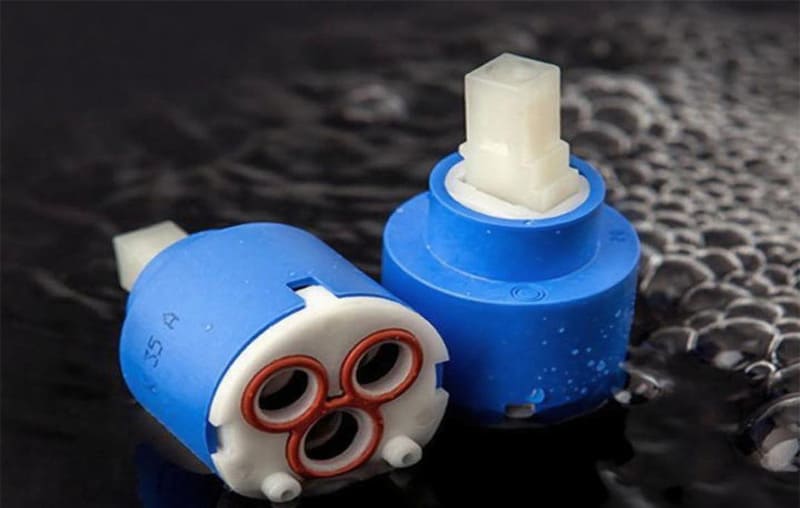
1. The Ceramic Discs: The Heart of the Matter
This is the most critical element. The quality of the ceramic discs determines the cartridge’s lifespan and performance.
- Material Purity: Premium discs are made from high-purity aluminum oxide (Alumina), one of the hardest materials known to man, nearing the hardness of diamond.
- Manufacturing Process: The quality is heavily influenced by the manufacturing. The ceramic is fired at extremely high, precisely controlled temperatures. This process determines the density of the final disc. A higher density means a harder, less porous, and smoother surface.
- The Polish: After firing, the discs are lapped and polished to a near-perfect flatness. This is what creates the hermetic, watertight seal when they are pressed together. A poorly polished disc from a low-quality manufacturer will have microscopic imperfections that lead to leaks.
2. The Lubricant: The Secret to Silky Smooth Operation
Between the two ceramic discs is a micro-layer of a specialized, high-grade silicone lubricant. This isn’t just any grease.
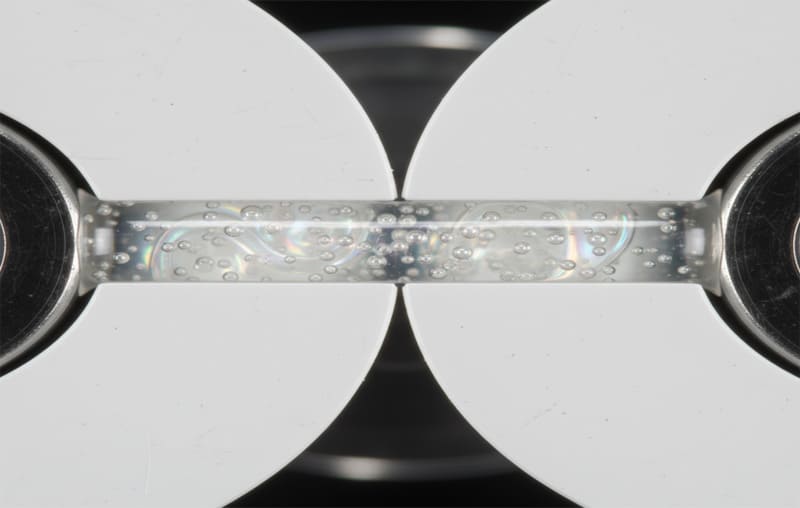
- Function: It serves two purposes: it reduces friction, giving the handle that “silky smooth” feel, and it helps create a better initial seal.
- Quality Matters: A premium, temperature-stable lubricant will perform flawlessly for decades. A cheap, low-grade lubricant will dry out, become gummy, or wash away over time. This is the primary cause of a faucet handle becoming stiff and difficult to operate, especially after a period of disuse.
3. The Housing and Seals: The Unsung Heroes
The ceramic discs are housed in a body, typically made of high-grade engineering plastic, and sealed with rubber O-rings.
- Housing: A premium cartridge uses a dimensionally stable plastic that won’t warp or crack under temperature changes and water pressure.
- Seals: High-quality rubber seals (often EPDM or silicone) will remain flexible and effective for years. Low-quality seals will harden, become brittle, and lose their sealing ability, leading to leaks from the faucet body.
Premium vs. Budget Cartridge: A Side-by-Side Comparison
| Feature | Premium Cartridge (e.g., KOREX) | Budget / Low-Quality Cartridge |
|---|---|---|
| Ceramic Discs | High-purity, high-density Alumina. Perfectly polished. | Impure ceramic mix, low firing temp, porous. Uneven polish. |
| Lubricant | High-grade, stable silicone grease. | Low-grade grease that dries out or washes away. |
| Housing | Dimensionally stable, high-grade engineering plastic. | Cheap, recycled plastic that can warp or crack. |
| Seals | High-quality EPDM or silicone O-rings. | Low-grade rubber that hardens and becomes brittle. |
| Testing | Passes stringent air and water pressure tests. | Often fails air pressure (gas) sealing tests. |
| Lifespan | Certified for 500,000+ cycles (as per EN 817). | May fail in as little as 50,000 cycles. |
The Real-World Consequences of a Low-Quality Cartridge
Choosing a faucet with a subpar cartridge might save a few dollars upfront, but it leads to a host of frustrating and costly problems down the line.
- The Infuriating Drip: This is the most common failure. The imperfect seal of low-quality ceramic discs allows a tiny amount of water to pass through, resulting in a constant drip that wastes water and money.
- The “Monday Morning” Stiff Handle: You leave for a week’s vacation and come back to a faucet handle that feels incredibly stiff and difficult to move. This is a classic sign of the cheap lubricant inside the cartridge drying out or becoming gummy. Operating the faucet feels jerky and unsmooth.
- Inability to Fully Shut Off: In severe cases, the seal is so poor that even with the handle in the “off” position, the faucet never completely stops running. The user has to apply excessive force, which can damage the handle mechanism itself.
- Leaks from the Faucet Body: When the external O-rings on the cartridge fail, water can leak out from around the base of the handle, pooling on your countertop and potentially causing water damage to your cabinetry over time.
- Premature Replacement: A faucet is a long-term fixture. A high-quality faucet should last 15-20 years or more. A faucet with a cheap cartridge may need to be completely replaced in just 2-3 years, negating any initial cost savings.
Pro Tip: When you operate a new faucet in a showroom, pay close attention to the feel of the handle. A premium cartridge will have a smooth, consistent, and slightly weighted resistance through its entire range of motion. A cheap cartridge often feels light, loose, or slightly gritty.
B2B Strategic Focus: Why Cartridge Quality is Your Brand’s Reputation
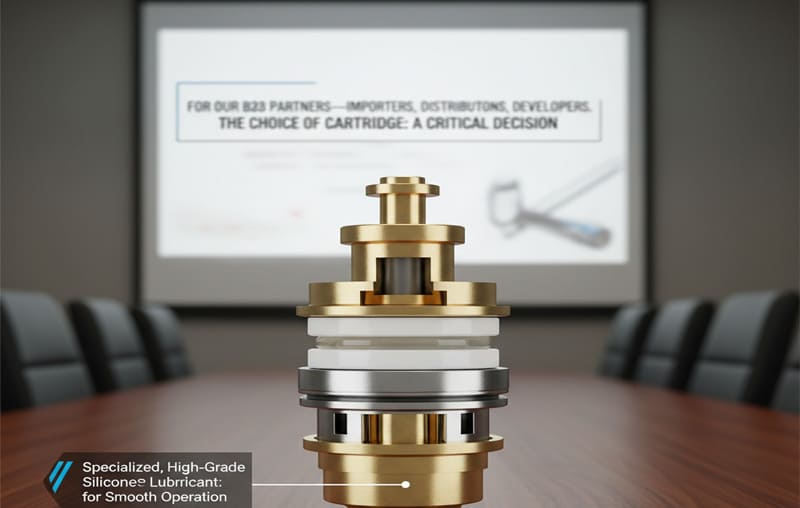
For our B2B partners—importers, distributors, and property developers—the choice of cartridge is one of the most critical decisions you will make. It directly impacts your brand’s reputation and bottom line.
- Reduce Warranty Claims & Callbacks: The number one cause of faucet warranty claims is a failed cartridge. Specifying a premium, 500,000-cycle certified cartridge dramatically reduces the rate of field failures, saving you immense costs in replacement parts, labor, and customer service.
- Build a Reputation for Quality: In the long run, your brand is defined by the user experience. A faucet that operates smoothly and reliably for years builds immense brand loyalty and positive word-of-mouth. A dripping, stiff faucet destroys it.
- Command a Higher Perceived Value: Even if the end-user doesn’t know the term “ceramic cartridge,” they can feel the difference. The smooth, solid feel of a faucet with a premium cartridge immediately communicates quality and justifies a higher price point.
- Ensure Project Success: For developers, faucet failures in a new building can be a logistical and financial nightmare. Specifying faucets with top-tier cartridges from the outset is a simple insurance policy against costly, widespread issues post-occupancy.
This is why at SpringFaucet, we view the cartridge not as a component to save money on, but as the fundamental building block of every product we make. Our reputation is built on the promise of long-term, flawless performance, a promise that starts with a world-class ceramic cartridge.
Frequently Asked Questions (FAQ)
Q1: What does the 500,000 cycle lifetime test mean in the real world? The European standard EN 817 mandates a 70,000 cycle test, but top manufacturers test to a much higher 500,000 cycles. If an average family uses the faucet 100 times a day, 500,000 cycles equates to over 13 years of continuous, reliable use.
Q2: Can I replace just the ceramic cartridge in my faucet? Yes, in most quality faucets, the cartridge is a replaceable part. However, cartridges come in many different sizes and configurations (e.g., 25mm, 35mm, 40mm). It’s crucial to get the exact model from the original manufacturer to ensure a proper fit.
Q3: Does hard water affect a ceramic cartridge? While the ceramic discs themselves are impervious to mineral buildup, severe hard water can cause scale to form on the cartridge’s water inlets and on the faucet aerator. This can reduce flow but typically does not cause the cartridge itself to leak.
Conclusion: The Heart of Your Faucet Demands Quality
The ceramic cartridge is the perfect example of “it’s what’s on the inside that counts.” While invisible in day-to-day use, its quality is the single greatest predictor of your faucet’s performance, feel, and lifespan. The difference between a premium, precision-engineered cartridge and a low-cost imitation is the difference between decades of satisfaction and years of frustration.
Whether you are a homeowner choosing a single faucet or a developer sourcing for a thousand units, the lesson is the same: never compromise on the quality of the cartridge. It is the non-negotiable heart of the faucet, and investing in a product built around a superior one is a guarantee of lasting quality and value.
Recommended Links
Internal Links:
- The Ultimate Guide to SUS304 Stainless Steel Faucets
- What Is the Most Popular Finish for Bathroom Faucets?
- Decoding Faucet Certifications: What Do They Mean for You?
External Links (Authoritative Sources):
- How Faucets Work (HowStuffWorks) – A great visual explanation of different faucet valve technologies.
- Standard EN 817: Mechanical mixers (PN-G) – The official page for the European standard governing faucet testing.
- Understanding Alumina (Aluminum Oxide) Ceramics – An authoritative material science resource on the properties of the ceramic used in high-quality discs.