
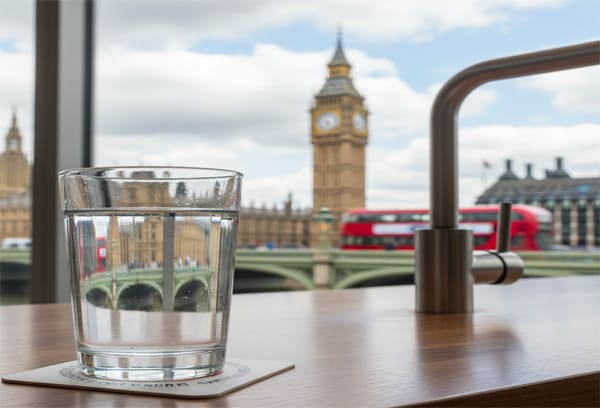
If you’re visiting or moving to London, one of the first practical questions you’ll have is, “Can I drink the tap water?” Let’s get straight to the point: Yes, the tap water in London is absolutely safe to drink. It is among the most stringently tested and regulated in the world, meeting and often exceeding the strict standards set by UK and European law.
As a faucet manufacturer that designs products for global markets, we have a vested interest in understanding water quality down to the mineral. The water in London presents a unique set of characteristics—namely its “hardness”—that we engineer our products to handle. This guide will not only confirm the water’s safety with official data but will also demystify its source, explain the effects of hard water, and provide practical advice for enjoying it, giving you the confidence of an industry insider.
Last Updated: Dec 2025 | Estimated Reading Time: 13 minutes
London Tap Water: Quick Facts at a Glance
| Parameter | Status | Details |
|---|---|---|
| Safety Verdict | Safe to Drink | Meets all UK and EU standards for potability. Rigorously tested daily. |
| Primary Supplier | Thames Water | Serves London and much of the Thames Valley. |
| Primary Sources | 80% Surface Water (Rivers Thames & Lea) | 20% Groundwater (Aquifers) |
| Key Characteristic | Hard to Very Hard | Rich in calcium and magnesium. Causes limescale but is not a health risk. |
| Governing Body | Drinking Water Inspectorate (DWI) | An independent body that verifies water companies meet legal standards. |
The Official Verdict: Why London Tap Water is Safe to Drink
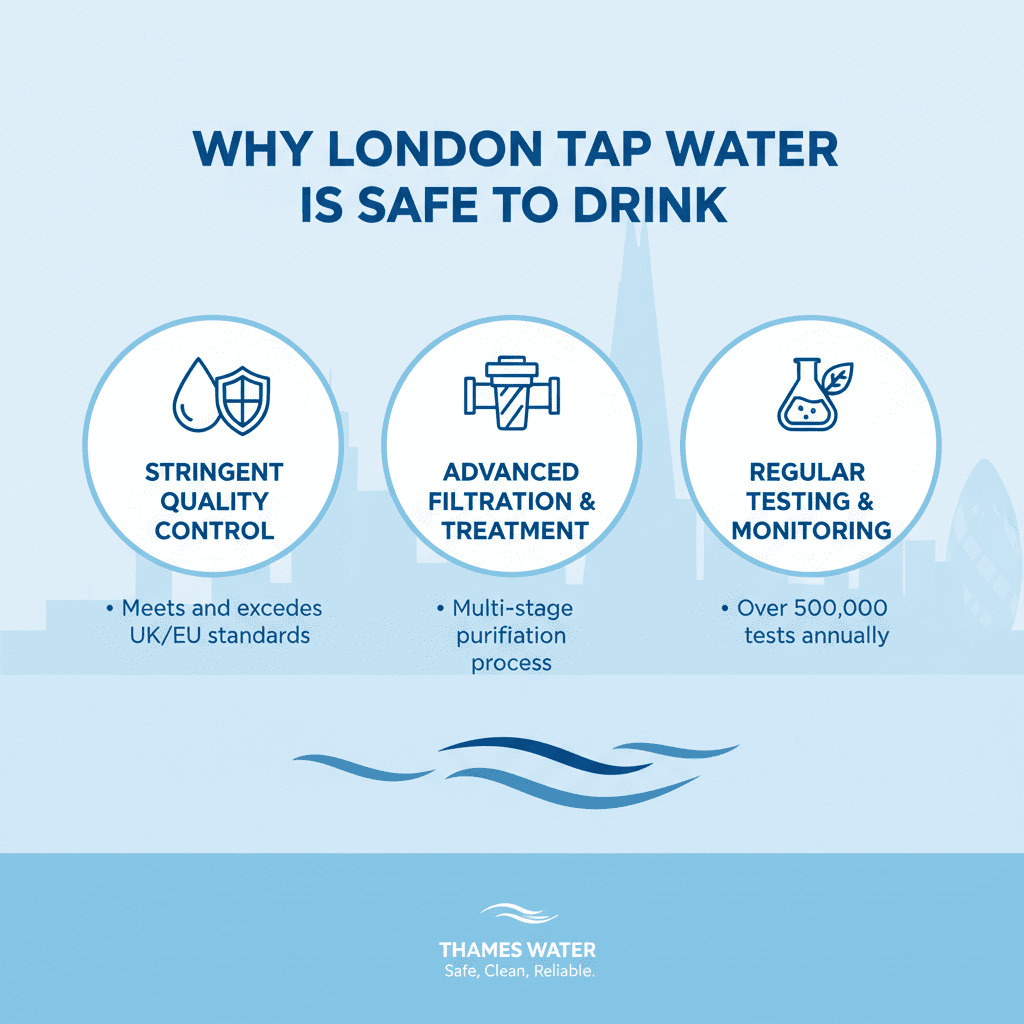
Your confidence in London’s water shouldn’t be based on opinion, but on data. Thames Water, the primary supplier for the city, conducts over 500,000 tests every year on samples taken from reservoirs, treatment plants, and customer taps. This relentless testing ensures the water complies with the UK’s Water Supply (Water Quality) Regulations 2016, which are among the strictest in the world.
The Drinking Water Inspectorate (DWI) acts as an independent watchdog, auditing these tests to ensure total compliance.
A Look at the Official Data
Here’s a simplified breakdown of key water quality parameters, comparing typical London results to the legal limits set by UK law. This demonstrates the significant safety margin.
| Parameter Tested | Legal Limit (UK Standard) | Typical Thames Water Result | What This Means for You |
|---|---|---|---|
| E. coli / Coliforms | 0 per 100ml | 0 per 100ml | Complete Absence. The water is free from harmful bacteria, indicating effective treatment. |
| Lead (Pb) | 10 µg/l (micrograms per litre) | <1 µg/l | Virtually Lead-Free. Water leaving the treatment works is lead-free. Any trace amounts would come from old lead pipes in some properties, which are being actively replaced. |
| Chlorine | Up to 5 mg/l | ~0.5 mg/l | Safe Disinfection. A small, safe amount of chlorine is used to disinfect the water and keep it safe as it travels through the pipes. The level is well below the limit. |
| Pesticides | 0.1 µg/l | Well below the limit | Effective Filtration. Advanced filtration processes remove even trace amounts of pesticides from the source water. |
Source: Public data from Thames Water and the Drinking Water Inspectorate (DWI).
Expert Tip: The slight chlorine smell or taste you might notice is a sign that the disinfection process is working correctly. If you find it unpleasant, simply pour a jug of water and leave it in the fridge for an hour. The chlorine will naturally dissipate, and the water will taste fresher.
Where Does London’s Water Come From? The Journey to Your Tap
Understanding the source of your water can build confidence in its quality. London’s water primarily comes from two places:
- Surface Water (approx. 80%): The majority is drawn from the famous River Thames and the River Lea. This water begins its journey far upstream, flowing through countryside before reaching the abstraction points outside the main urban area.
- Groundwater (approx. 20%): The remainder is drawn from natural underground reservoirs called aquifers. This water is essentially rainwater that has slowly filtered down through layers of chalk and limestone, purifying it naturally over many years.
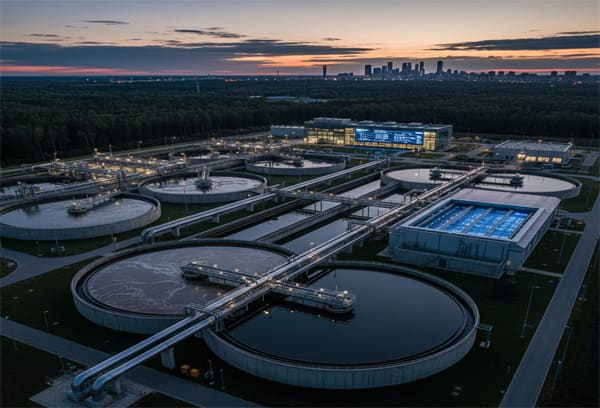
This raw water then undergoes a multi-stage, state-of-the-art treatment process before it’s clean enough to enter the public supply network.
The “Hard Water” Question: Limescale, Taste, and Your Health
If you’ve spent any time in London, you’ve heard about the “hard water.” This is the single biggest characteristic of London’s tap water.
What is Hard Water? Hard water is simply water that has a high concentration of dissolved minerals, primarily calcium carbonate and magnesium. As rainwater filters through the chalk and limestone geology of the Thames Basin, it picks up these minerals.
Is It Harmful? No, absolutely not. According to the World Health Organization (WHO) and the UK’s National Health Service (NHS), these minerals are not harmful to your health. In fact, they can contribute to your daily dietary intake of calcium and magnesium. The “hardness” is a cosmetic and practical issue, not a health one.
The Practical Effects of Hard Water:
- Limescale: This is the chalky white deposit you see inside your kettle, on your showerhead, and around the base of your faucets. It’s simply the calcium carbonate left behind when hard water evaporates.
- Soap & Detergent: Hard water makes it more difficult for soap and shampoo to lather. You may find you need to use slightly more product than you would in a soft water area.
- Taste: Some people describe the taste of London water as slightly “chalky” or mineral-rich. This is entirely due to the dissolved minerals and is a matter of personal preference.
A Manufacturer’s Perspective on Hard Water: As a faucet manufacturer, hard water is a key design challenge. Limescale can clog aerators and tarnish finishes. That’s why high-quality modern faucets incorporate features like flexible silicone nozzles on shower heads (you can simply rub them to break up scale) and durable finishes like PVD (Physical Vapor Deposition), which are far more resistant to the dulling effects of mineral deposits than standard chrome.
To Filter or Not to Filter? An Unbiased Look at Water Filters
Given the hard water and personal taste preferences, many Londoners choose to use a water filter. It’s important to be clear: you do not need a filter for safety. You might, however, want one for other reasons.
Here’s a comparison of common options:
| Filter Type | How It Works | Best For | Cost (Initial / Ongoing) |
|---|---|---|---|
| Filter Jugs (e.g., Brita) | Activated carbon & ion-exchange resin | Improving taste, reducing chlorine, and slightly reducing hardness for drinks. | Low / Moderate (filters need frequent replacement). |
| Tap-Mounted Filters | Mount directly onto your faucet | A convenient way to get filtered water on-demand for drinking and cooking. | Moderate / Moderate. |
| Under-Sink Systems | Plumbed in under the sink with a separate small tap | Comprehensive filtration for taste, chlorine, lead, and hardness. The “gold standard” for home filtration. | High / Low (filters last longer). |
Our Stance: We neither advocate for nor against filters. They are a personal choice based on taste preference and your tolerance for limescale in appliances like coffee machines. The water from the tap is perfectly healthy without one.
Public Proof: The “Refill London” Initiative
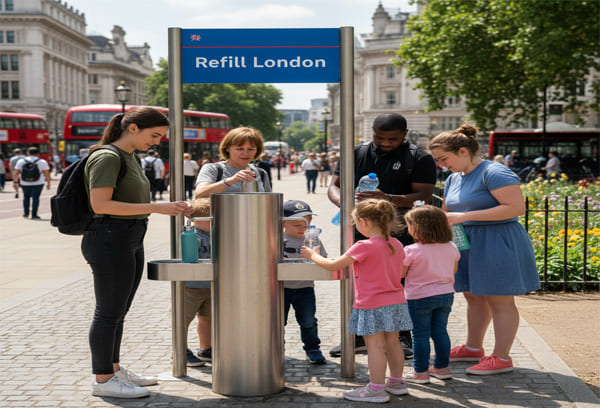
If you need any more convincing about the quality of London’s tap water, look no further than the “Refill London” scheme. Launched by the Mayor of London in 2018, this initiative created a network of thousands of cafes, shops, and businesses that offer free tap water refills to the public.
This major public health and environmental campaign has two clear goals:
- Reduce single-use plastic bottle waste.
- Promote the fact that London’s tap water is high-quality, healthy, and free.
The widespread adoption and success of this scheme is a powerful, city-wide endorsement of the potability of its tap water.
Our Global OEM/ODM Perspective
As a factory specializing in OEM (Original Equipment Manufacturer) and ODM (Original Design Manufacturer) faucets, understanding local water conditions like those in London is central to our business. A buyer in a hard water region has different performance requirements than one in a soft water area. We engineer faucets with specific alloys and cartridges designed to resist limescale buildup, ensuring longevity and customer satisfaction in that market. Our extensive product range, from kitchen mixers to specialized fixtures like the SpringFaucet Bathtub Faucet, is a testament to our ability to meet the diverse technical and stylistic needs of buyers from any country. We don’t just sell faucets; we engineer solutions for your specific market’s water.

Frequently Asked Questions (FAQs) {#faq}
Q1: Is it safe for babies and children to drink London tap water? Yes, it is perfectly safe. The water meets all strict safety standards for the entire population, including infants and young children. There is no need to use bottled water or boil tap water for drinking purposes.
Q2: Why does my new home in London have a separate, unfiltered tap? Some homes with a water softener system installed will have a separate hard water tap for drinking. This is because some softeners exchange calcium for sodium, and some people prefer not to drink the softened water. This is not a common setup and is a matter of preference, not a safety requirement.
Q3: I’m visiting from the US. How does London’s water compare? Both the US and UK have very high standards for drinking water. The main difference you’ll notice is the hardness. Most major US cities have much softer water, so the taste and the way it reacts with soap will be the most noticeable changes for a visitor.
Conclusion: Drink with Confidence
So, can you drink the tap water in London? The answer is a resounding and data-backed yes.
It is not only safe, but it’s also a sustainable and incredibly cost-effective choice compared to bottled water. While the hardness can be a nuisance for your kettle, it poses no risk to your health. By understanding its source, the rigorous testing it undergoes, and the reasons for its mineral-rich taste, you can feel completely confident every time you turn on the tap. Whether you choose to chill it, filter it, or drink it straight, you are enjoying one of the safest and most reliable water supplies in the world.
Recommended Links
Internal Links:
- Our Products: Explore Our Diverse Range for Global Markets
- About Us: Learn How We Engineer Faucets for Different Water Conditions
- Blog: Kitchen Faucet 101: A Manufacturer’s Guide
External Links (Authoritative Sources):
- Thames Water – Water Quality – Check the water quality in your specific London postcode.
- Drinking Water Inspectorate (DWI) – The official UK government body for drinking water quality.
- Refill – Find Water on the Go – The official site for the Refill campaign, with a map of refill stations.